


Top 7 Gear Hacks Every Musician Should Know to Enhance Their Sound
Forget everything you know about tweaking your gear for better sound. Most musicians miss simple tricks that can seriously boost their tone without breaking the bank. We’ve rounded up the top 7 music gear hacks that will help you enhance your sound and get more from your instruments. Ready to step up your game? Let’s jump right in! Check out more tips here.
Amp Settings Secrets
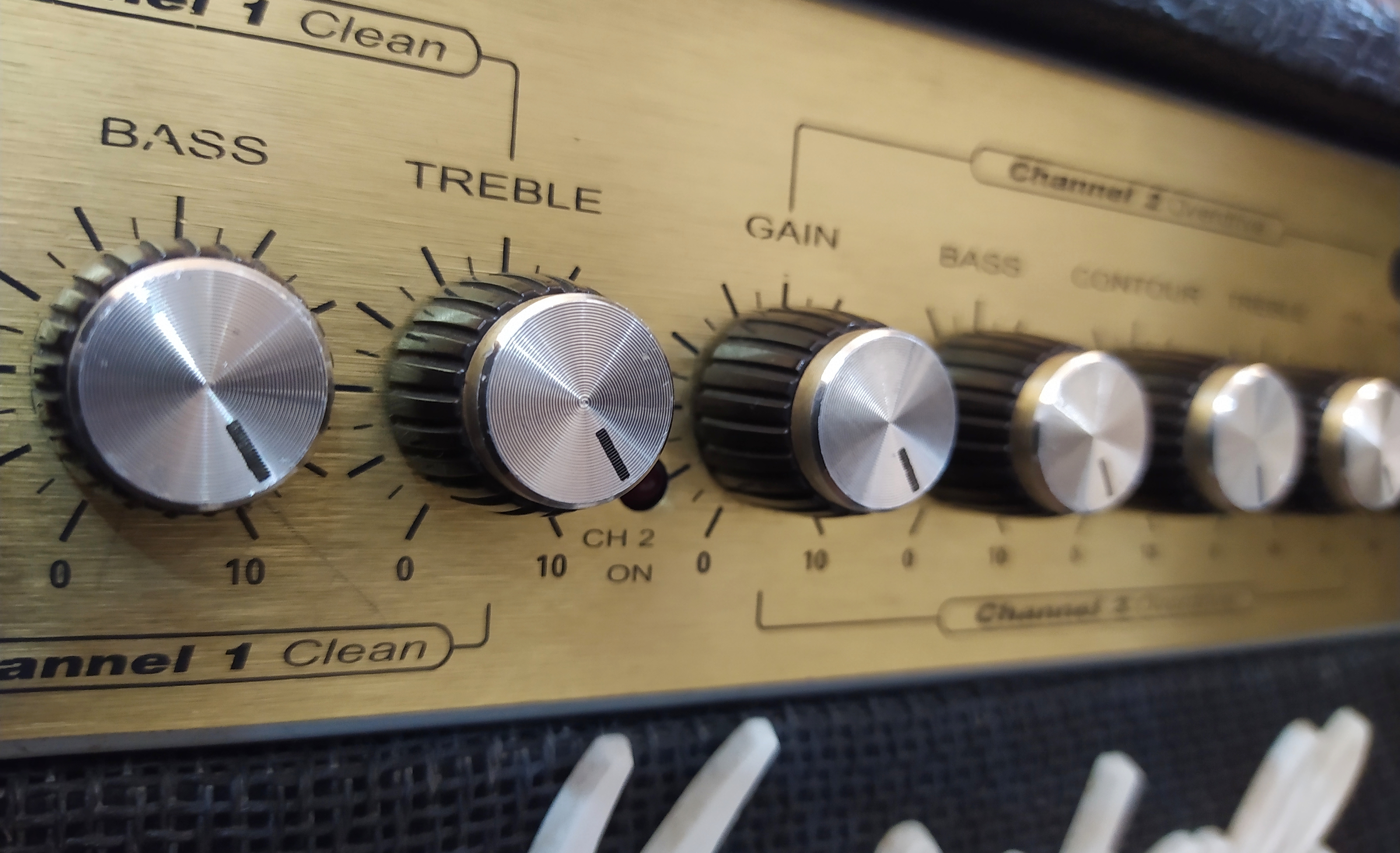
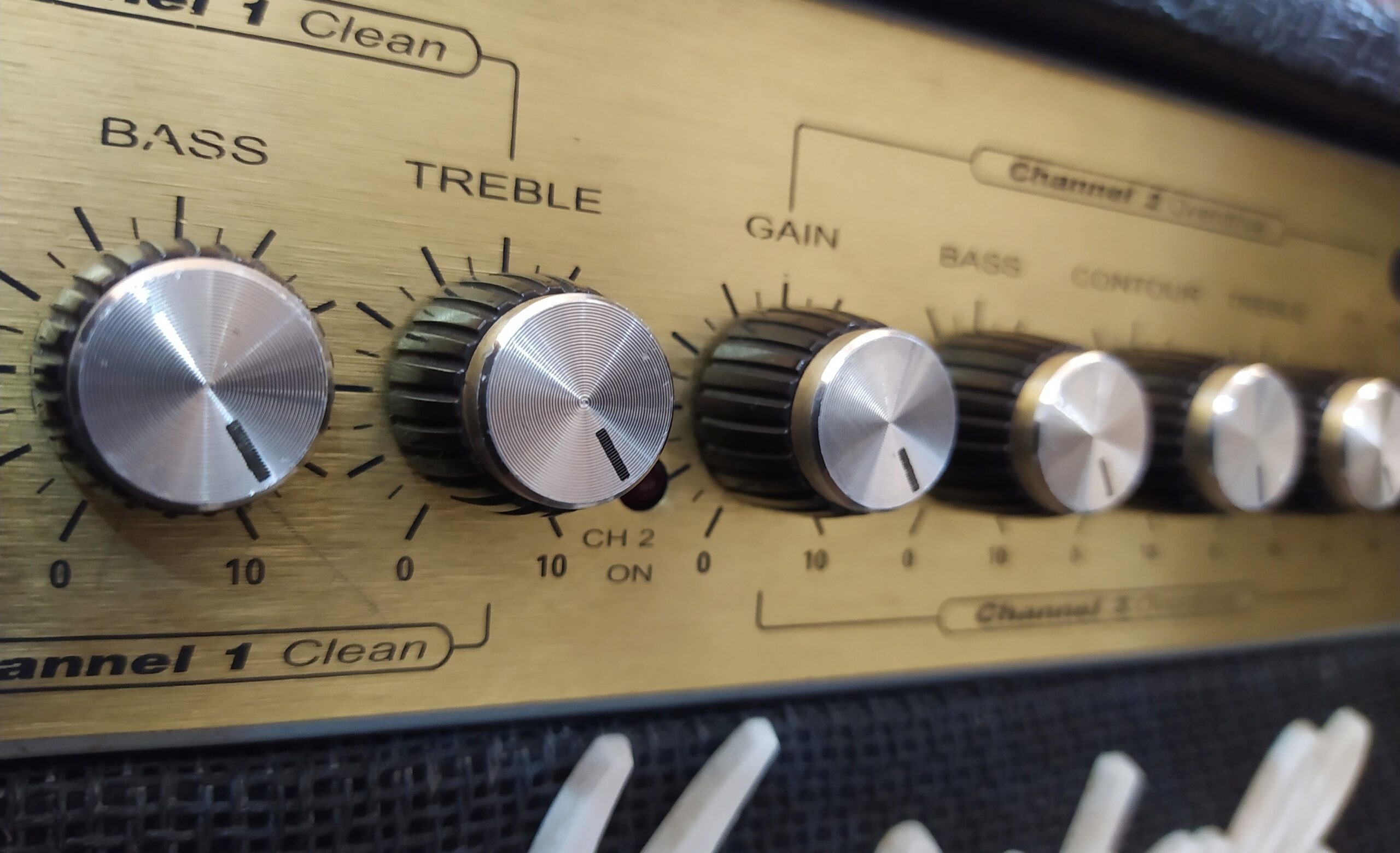
Let’s begin with amps, where small tweaks can lead to big changes in sound. By understanding the nuances of your amp settings, you can unlock new tones and dynamics.
Dial in the Perfect Tone
Finding the right tone can feel like hunting for a needle in a haystack. But here’s the key insight: focus on your EQ settings. Start by setting all your amp knobs to 12 o’clock. This gives you a balanced base to work from. Then, adjust the bass, mid, and treble to suit your style. For a punchy sound, try boosting the mids slightly. If you prefer a heavier sound, increase the bass. An example from a seasoned guitarist: he found his perfect tone by cutting the treble and boosting the mids, giving his solos a warm, full sound. Remember, the right tone is more about feel than rules. Play around, and don’t be afraid to deviate from the norm.
Boost Your Amp’s Output
Getting more volume without sacrificing clarity is crucial for live performances. One simple trick is to use a booster pedal. Place it before your amp in the signal chain to give your sound a clean boost. This method keeps your tone intact while pushing the amp’s output. Another option is adjusting the amp’s master volume rather than the channel volume. This technique allows for a louder, clearer sound because the power stage of the amp does more of the work. Many musicians swear by this method to maintain their sound quality even at higher volumes.
Pedalboard Magic
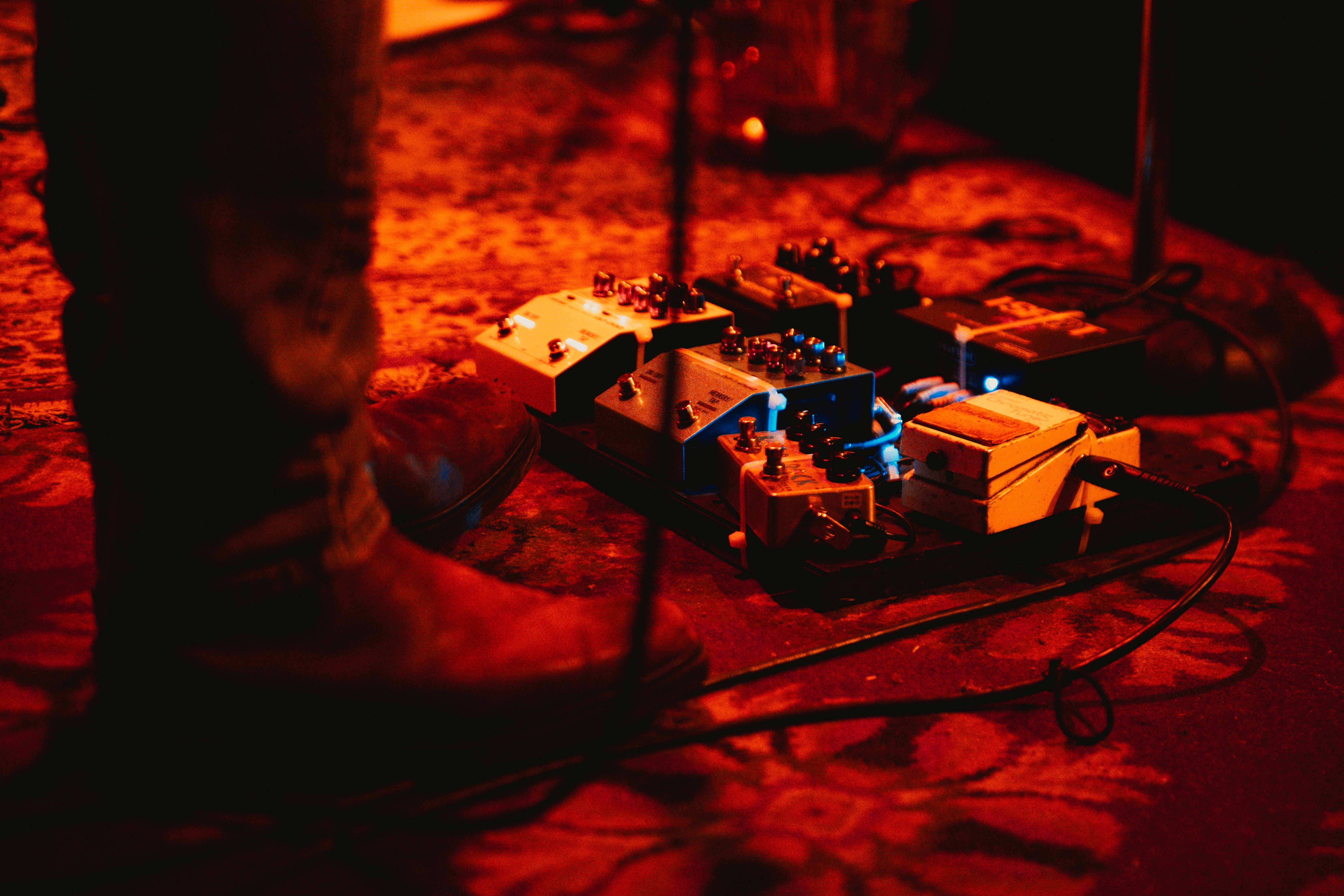
Pedalboards can seem daunting, but they hold the key to crafting unique sounds. The right arrangement and use of pedals can take your music to new heights.
Layer Effects for Richer Sound
Ready to add some depth to your playing? Start by thinking of your pedals as ingredients in a recipe. Each one can transform your sound in its own way. For a lush, ambient sound, place reverb and delay pedals at the end of your chain. This placement allows the effects to wash over everything else, creating a fuller sound. A popular strategy among pros is to stack overdrive pedals for a richer tone. Use a milder overdrive first, then add a heavier one to maintain clarity while gaining intensity.
For more insights, visit this discussion.
Tame Unwanted Noise
Nothing kills a performance like unwanted noise. Thankfully, taming it is easier than you might think. Start by using a noise gate pedal. Place it at the start of your chain to catch hums and buzzes before they hit the amp. Another tip is to check your power source. Many noise issues stem from dirty power, so consider using a power conditioner. It cleans the electricity reaching your gear, reducing interference. Finally, keep your cable lengths as short as possible. Long cables can pick up extra noise, disrupting your sound.
For more handy tips, check out these tips.
Instrument Tweaks

Small adjustments to your instruments can make a world of difference. From guitars to drums, let’s explore how simple tweaks can elevate your sound.
Simple Guitar Adjustments
Want to get more from your guitar? Start with your strings. Changing them regularly keeps your sound fresh and bright. Next, look at your pickup height. Raising or lowering them affects the tone and output. A common trick is to lower the neck pickup for a smoother rhythm sound and raise the bridge pickup for cutting leads. Adjusting your guitar’s action can also enhance playability and tone. Lower action tends to be easier to play, while higher action can lead to a richer, fuller sound.
Drum Kit Sound Quality Tips 🎸🥁
Drummers, don’t worry, we’ve got you covered too! The key to better drum sound starts with tuning. Ensure each drum is tuned to its sweet spot. This practice reduces unwanted overtones and improves resonance. Next, consider using different stick sizes. Thicker sticks provide more power and depth, while thinner sticks offer speed and precision. Another pro tip: dampen your drums using gels or rings to control overtones and focus the sound.
For a deeper dive into optimizing your gear, check out these recording tips.
In conclusion, these gear hacks are just the beginning. By experimenting with your setup and tools, you can find the perfect sound that resonates with both you and your audience. Enjoy exploring new possibilities!

0 Comments