



The Ultimate Guide to Drum Care: Keep Your Kit Stage‑Ready for Years
Your drum kit won’t stay stage-ready on its own. Skipping regular drum maintenance invites costly repairs and dull sound fast. This guide breaks down pro tips—from Pearl drums care to tuning and hardware upkeep—to keep your kit tight and performing at its best for years. Ready to treat your drums right? Let’s get started! For more detailed insights, check out this comprehensive drum care guide.
Essential Drum Maintenance Tips

Caring for your drums isn’t just about preserving their look; it’s about ensuring they sound great every time you play. To get the best out of your kit, let’s dig into the essential tips for drum maintenance.
How to Clean Drums Safely
Keeping your drums clean is the first step in maintaining their sound. Start by gently wiping the drum shells with a soft, damp cloth to remove dust and grime. Avoid harsh chemicals, as they can damage the finish. For your cymbals, use a specific cleaner designed for cymbals to preserve their shimmer. A clean kit not only looks good but also performs better, giving you that crisp sound you love.
Protect Drum Shells from Damage
Your drum shells are the heart of your kit. To protect them, always store them in a cool, dry place away from direct sunlight. Extreme temperatures can warp the wood, affecting the sound. Consider using shell protectors or cases when transporting your drums. This small investment can save you from costly repairs and keep your drums sounding their best.
Bearing Edges Care
The bearing edges are where the drumhead meets the shell, and they play a crucial role in sound quality. Keep them smooth and free from nicks. Lightly sand any rough spots, and apply a thin layer of wax to keep them in top condition. This attention to detail ensures your drumhead sits perfectly, providing superior resonance and tone.
Drum Hardware and Accessories
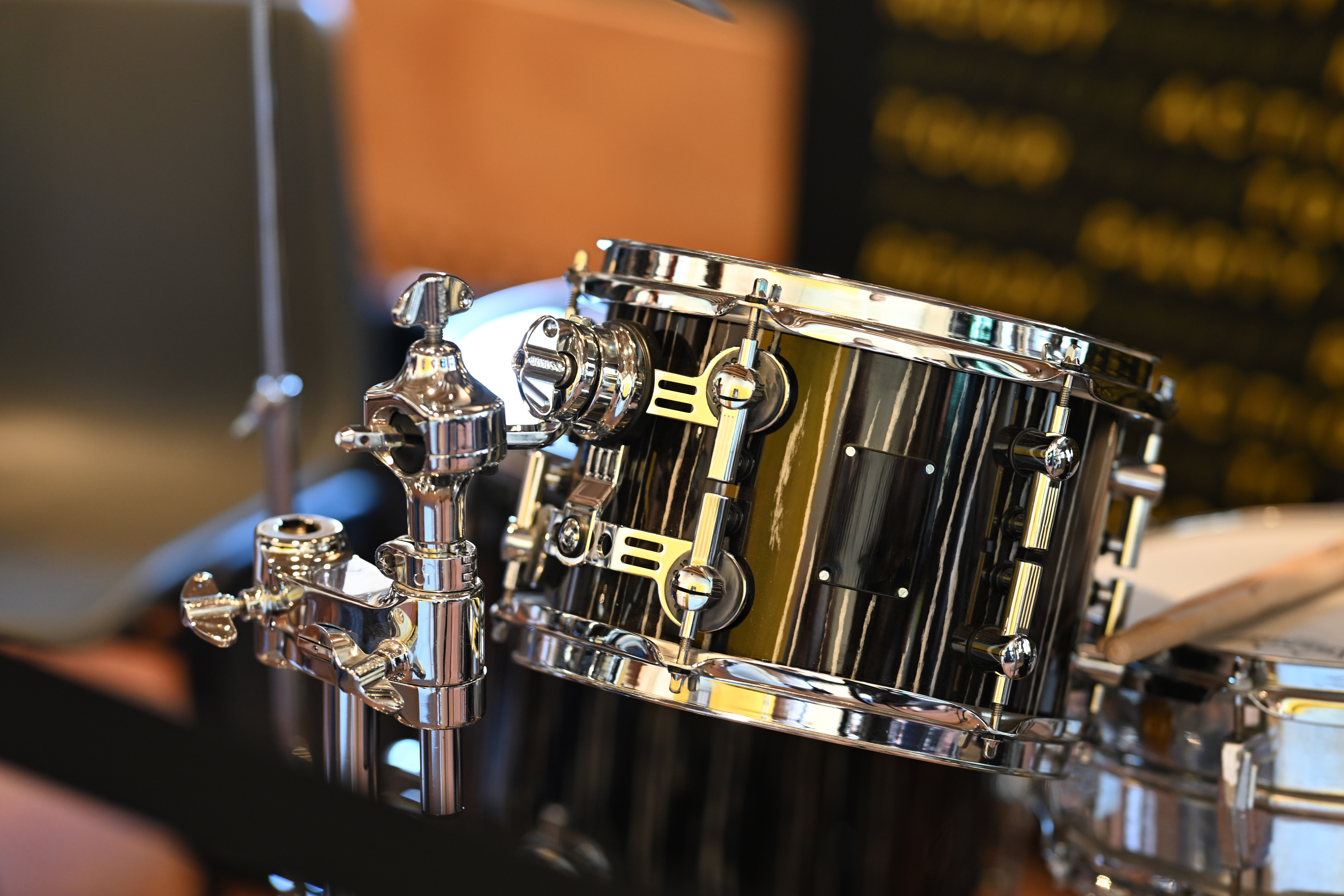
Your drum kit’s hardware is its backbone. Proper upkeep means your gear will perform flawlessly, avoiding those annoying squeaks or malfunctions mid-gig. Let’s explore how to keep your hardware in top shape.
Drum Hardware Lubrication
Lubrication is key to maintaining smooth operation of stands, pedals, and other moving parts. Use a light machine oil on all pivot points and threads. A few drops every month will prevent rust and keep everything moving effortlessly. Regular lubrication also extends the lifespan of your hardware, making every performance smooth and worry-free.
Pedal Maintenance and Tension Rod Care
Your bass drum pedal should respond like a dream every time you hit it. Keep it in top form by tightening any loose screws and lubricating the chain or strap. For tension rods, ensure they’re evenly tightened to maintain drumhead tension. Regular checks help avoid unexpected failures and keep your kit sounding tight.
Vater Drum Sticks: Best Choices
Choosing the right sticks can make a world of difference. Vater drum sticks are favored by many pros for their durability and feel. Whether you’re playing jazz, rock, or something in between, Vater offers an array of options to fit your style. Try a few models to see which feels best in your hands and complements your playing.
Transport and Storage Solutions

Proper transport and storage are crucial in keeping your drums in pristine condition. Let’s look at the best practices to ensure your kit is always gig-ready.
Best Drum Cases for Protection
Transporting your drums without proper cases is a disaster waiting to happen. Invest in high-quality drum cases that offer padding and protection, like those from Gator or Protection Racket. These cases are designed to withstand the rigors of travel, ensuring your drums arrive unscathed and ready to rock.
Gator and Protection Racket Drum Case
Gator and Protection Racket offer some of the best drum cases on the market. Their durable designs and snug fits provide excellent protection against bumps and drops. With features like padded interiors and robust exteriors, these cases are a must-have for any serious drummer.
Humidity Control for Drums
Humidity is an often-overlooked enemy of drum kits. Too much moisture can warp wood, while too little can dry it out. Use a dehumidifier in your storage area to keep moisture levels stable. This simple step helps maintain your drum’s structural integrity and sound quality for years to come.
🎶🥁🎸
By following these tips, you’re not just maintaining your drums; you’re investing in your sound. Keep your kit in top shape, and it will reward you with performance after performance. For more information, check this step-by-step guide to drum maintenance. Ready to enhance your drumming experience with the best gear? Visit Can Play Music for all your drumming needs!



0 Comments