

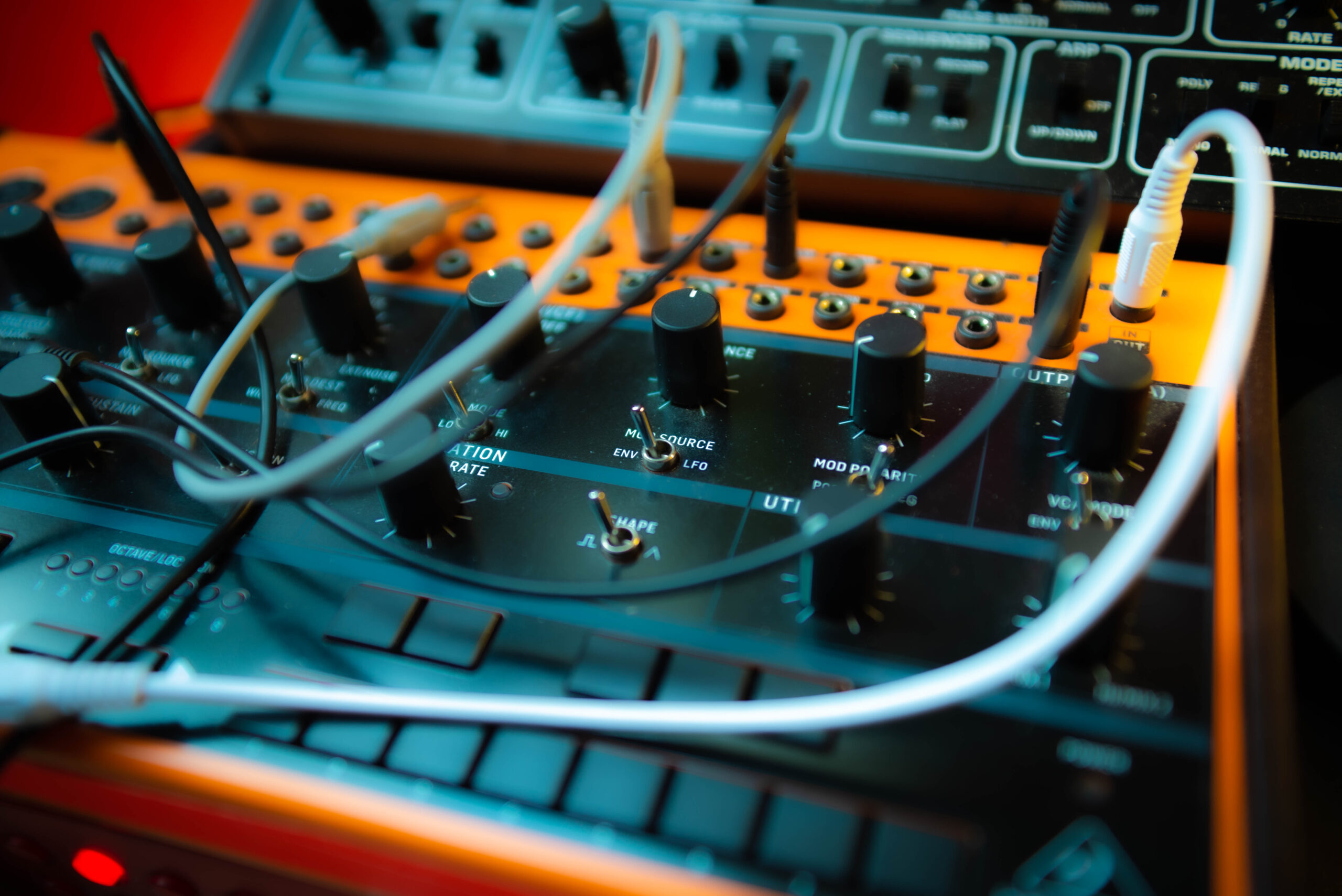

Digital vs Analog Synths: The Producer’s Playbook for Tone, Workflow, and Budget
Forget the old debate—digital vs analog synths isn’t just about vintage vibe or shiny new tech anymore. Your choice shapes tone, workflow, and even your budget in ways you didn’t expect. We break down when analog warmth wins, where digital flexibility shines, and how hybrids fit in—plus gear picks from Korg, Arturia, Waldorf, and Nord that fit your studio or stage. Ready to level up your synth game? Check out more on this topic here.
Tone and Sound Character
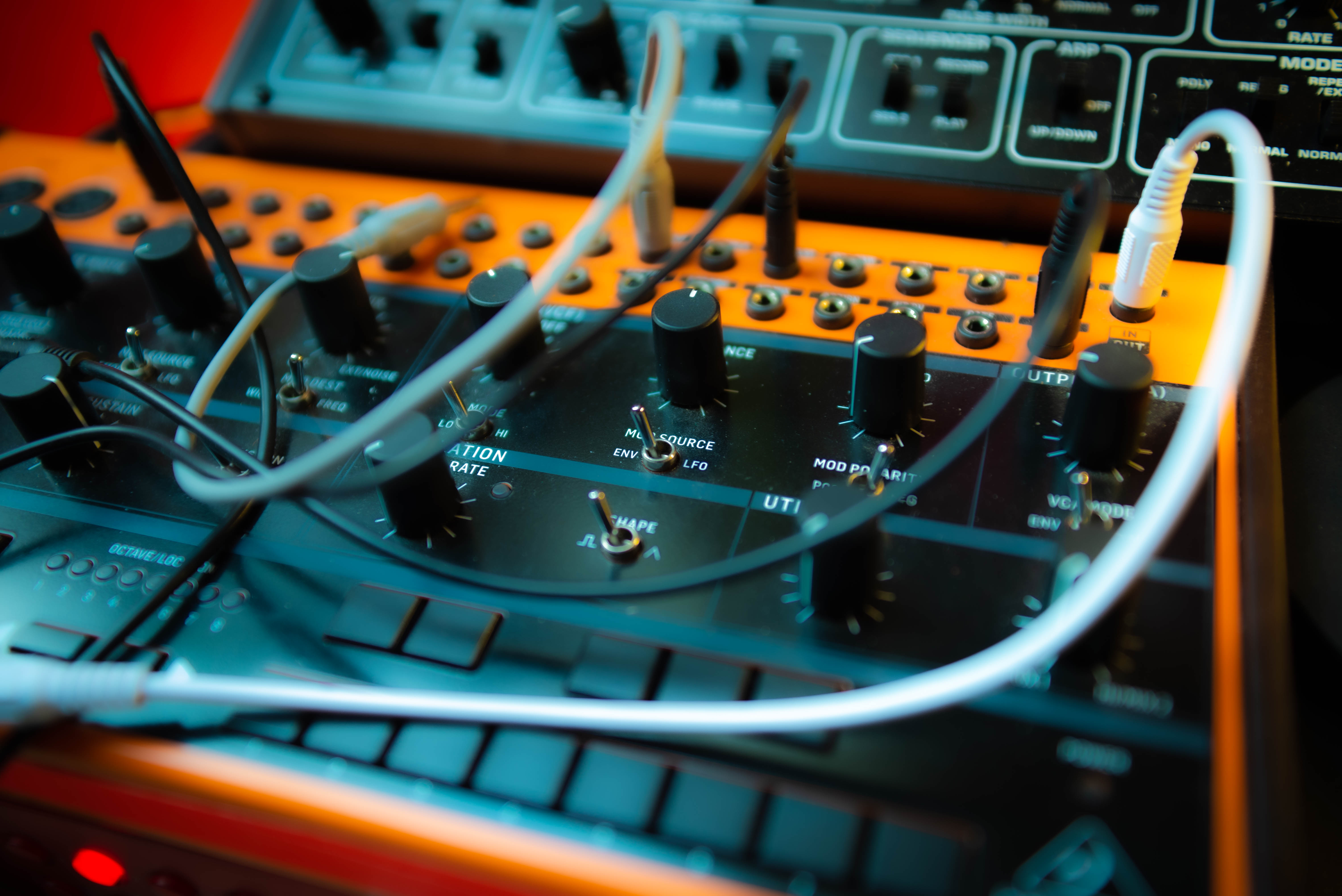
Choosing between digital and analog synths can dramatically impact your music’s tone and character. Let’s explore how each type can shape your sound.
Analog Warmth and Mojo
Analog synths are famous for their warm, rich tones. They excel at producing organic sounds that feel alive. Think of classic Moog or the Korg Minilogue XD for that vintage vibe. These synths use electrical circuits to create sound waves, providing a natural, smooth output that many musicians love for its authenticity.
Analog’s charm lies in imperfections. The slight variations in pitch and tone create a unique soundscape. This warmth and character make them a staple in genres like rock and funk. However, these synths can be pricey and demand regular maintenance, so they’re often seen as an investment for serious musicians.
But don’t be swayed by the myth that analog is always better. Digital synths have their own strengths that might surprise you. Ready to discover what digital can do?
Digital Flexibility and Precision
Digital synths offer a world of flexibility. They can mimic a vast range of sounds, from traditional instruments to futuristic tones. The Arturia MicroFreak is a prime example, blending multiple types of synthesis like wavetable, subtractive, and FM synthesis.
These synths shine in precision. You can tweak every aspect of a sound with unparalleled accuracy. Digital models often come with built-in effects, allowing you to shape sounds without external gear. They also tend to be more affordable and compact, making them ideal for producers on the go.
Need more proof? Check out this discussion on whether analog truly surpasses digital.
Workflow and Integration
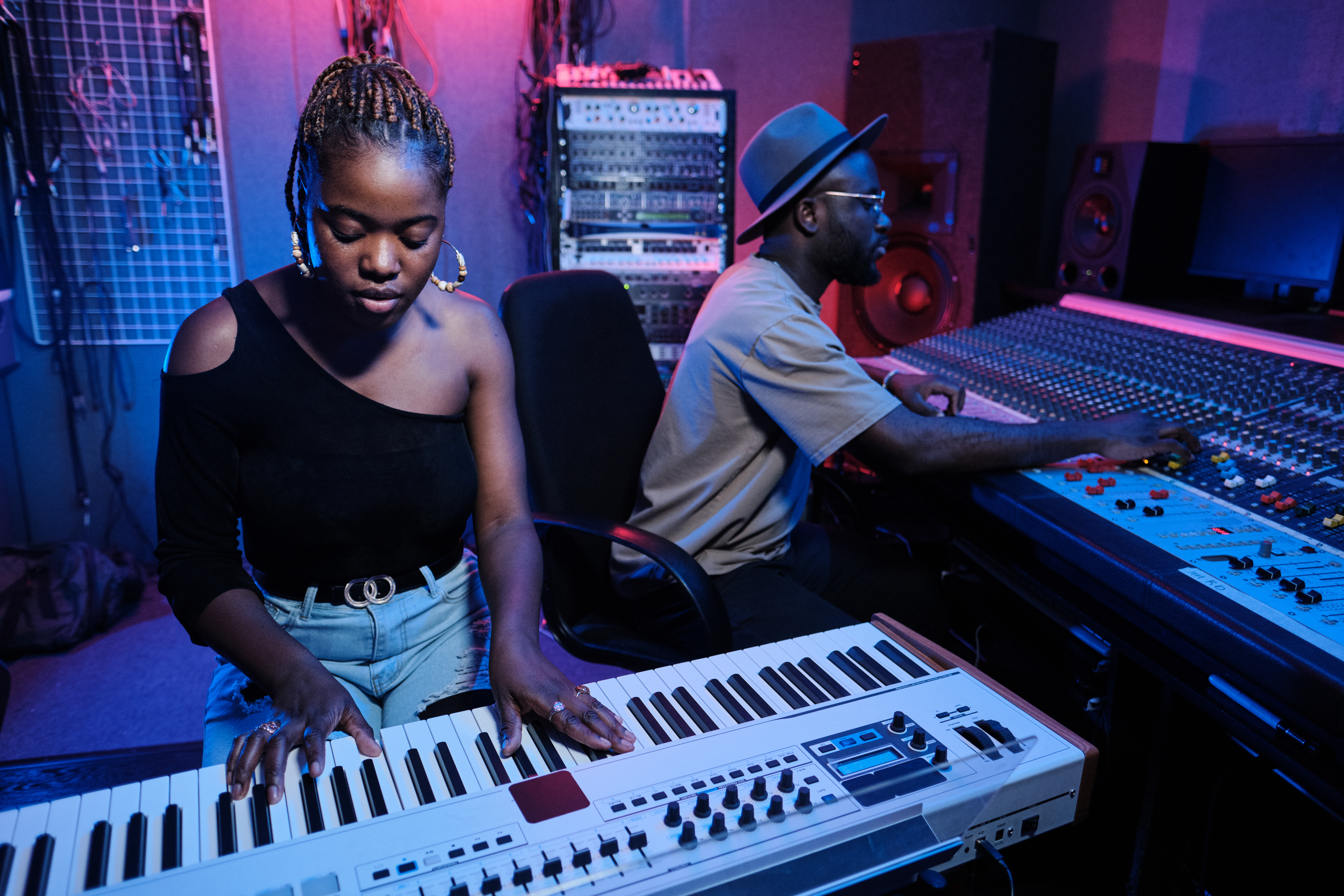
How you integrate synths into your workflow can make or break your creative process. Let’s dive into how these synths fit into different setups.
Hands-On Control vs Automation
Analog synths are all about tactile control. Turning knobs and sliding faders gives you a direct connection to your music, perfect for those who thrive on hands-on creativity. This setup is great for live performances where real-time adjustments are key.
Digital synths, on the other hand, excel in automation. You can program detailed sequences and let the synth do the work. This is crucial in studio settings where precision and repeatability are important. Plus, digital synths often support MIDI USB integration, making them easy to connect with other devices and software.
Are you a fan of tactile interaction or do you prefer seamless automation? Your workflow might depend on it.
Preset Recall and DAW Sync
One of the standout features of digital synths is preset recall. You can save your sound settings and instantly switch between them, a lifesaver during complex sessions. This capability is invaluable for producers who need to juggle multiple projects.
Analog synths tend to lack this feature, which can be a drawback if you need quick changes. However, some modern analog models offer limited preset storage, bridging the gap between analog warmth and digital convenience. Need more insights? Learn from this philosophy on digital vs analog.
Budget and Use Cases
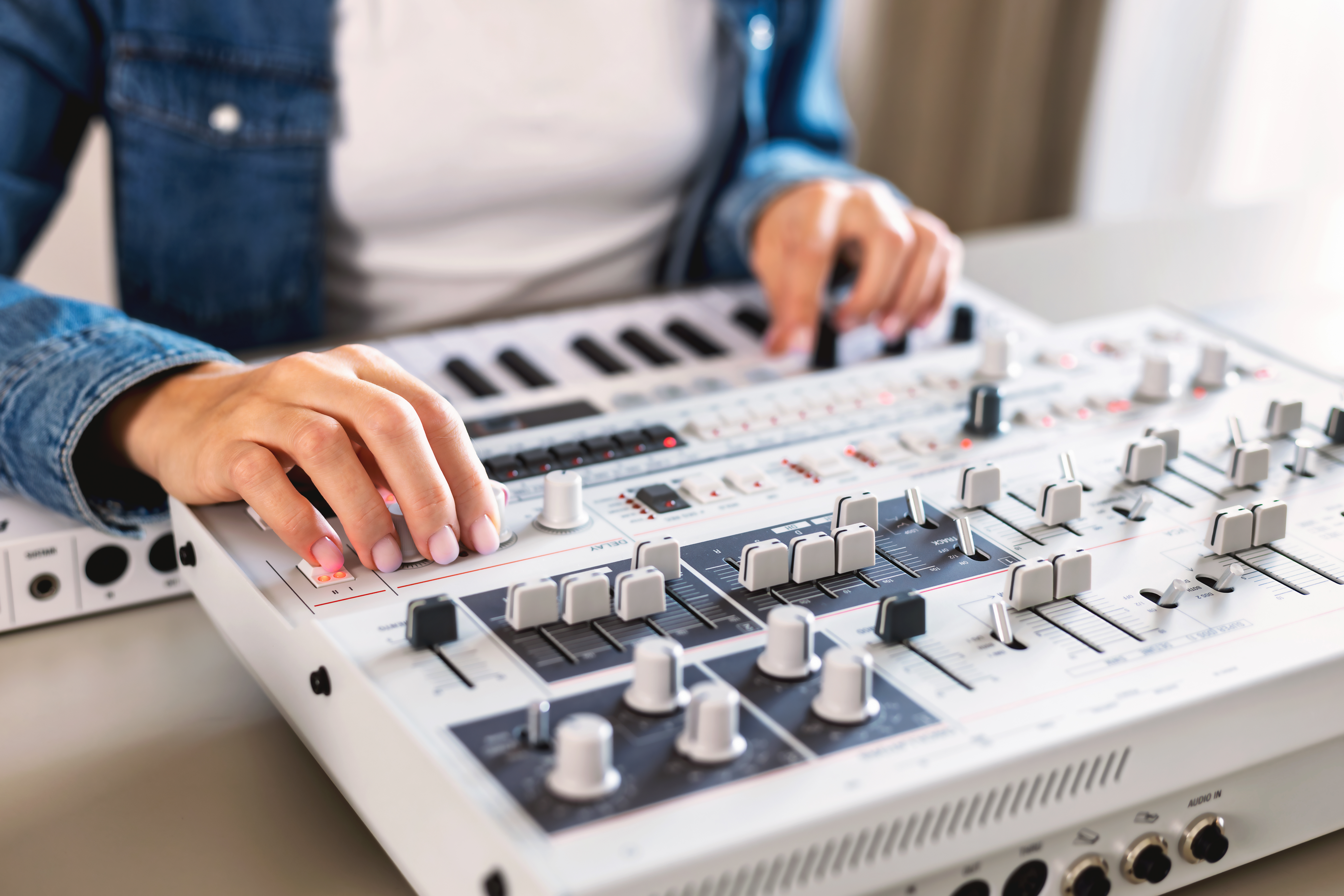
Your budget and specific needs will heavily influence your choice between analog and digital synths. Let’s explore which options might be best for you.
Best Synths for Producers
For producers looking to get the most bang for their buck, digital synths often provide more features at a lower price point. Models like the Korg opsix and Waldorf Iridium offer extensive sound-shaping capabilities without breaking the bank.
Analog enthusiasts might consider the Nord Lead A1 or the Arturia PolyBrute, which offer rich sounds ideal for live performance synth setups. These models may come with a higher price tag, but they deliver unmatched tonal quality.
Wondering if a hybrid synth could be the answer? These combine the best of both worlds, offering analog warmth with digital flexibility. It’s a compelling option for versatile creators.
Balancing Cost and Features 🎹
Striking a balance between cost and features is crucial. While analog synths often carry a heftier price, their sound quality and hands-on experience can justify the investment for live performers and purists.
Digital synths, with their extensive features and preset capabilities, are often more cost-effective, making them a smart choice for studio-based producers. They allow you to explore diverse sounds without needing multiple devices.
In the end, your decision will depend on your specific needs and budget. Whether you’re after the nostalgic warmth of analog or the cutting-edge versatility of digital, there’s a synth out there for you. Remember, the longer you wait, the more you miss out on creating your next hit track!

0 Comments